Korean Glass Skin Routine: A Realistic Guide with Atomy Skin Care
What 'glass skin' really is, the Korean layering routine behind it, the ingredients that help (hydration, barrier care, sunscreen), and which Atomy skin care products fit each step. No miracle promises.
By AtomyHealth · Independent Guide · Updated · 7 min read · Who we are
In this article
"Glass skin" is the K-beauty name for skin that looks smooth, even, well hydrated and dewy, so it reflects light. It is a look, not a medical state, and it is not the same as having no pores: everyone has pores, and real skin has texture. Photos of "glass skin" usually combine good skin care with lighting, make-up and editing.
What a routine can do is make skin look more hydrated, more even and more comfortable. This guide shows the Korean approach to that, without the hype, and where Atomy skin care fits.
Short answer: Cleanse gently, apply thin layers of hydrating products from thinnest to thickest, seal with a moisturiser, and wear sunscreen every morning. Exfoliate gently and rarely. Give it several weeks. Sun protection and not irritating your skin matter more than the number of steps.
The idea behind glass skin
The Korean approach puts hydration and a calm skin barrier before coverage. Instead of mattifying shine, it aims for a healthy, dewy finish. Three habits do most of the work:
- Gentle cleansing so the skin is not stripped.
- Layered hydration: several thin, water-based layers instead of one heavy cream.
- Daily sun protection, because UV exposure is a main cause of uneven tone and visible skin ageing.
The glass skin routine, step by step
Evening
- First cleanse (if you wore sunscreen or make-up): a cleansing oil to dissolve them. See our double cleansing guide.
- Second cleanse: a gentle gel or foam cleanser, lukewarm water, no scrubbing.
- Toner: a hydrating toner patted in by hand.
- Essence or serum: a light, hydrating layer.
- Moisturiser: a cream to seal in water.
- Optional: an eye cream, or a sleeping mask on dry nights.
Morning
- Rinse or cleanse gently.
- Toner and a light essence or serum.
- A light moisturiser.
- Broad-spectrum sunscreen, SPF 30 or higher, reapplied about every two hours when you are outdoors, and after swimming or sweating (American Academy of Dermatology).
Weekly
- Gentle exfoliation once a week at most if your skin tolerates it, or less often. Skip it if your skin is red or stinging.
- A hydrating sheet mask is optional and pleasant, but not essential.
Layering: thinnest to thickest
Korean routines apply products from the thinnest (watery) to the thickest (creams, oils). The practical reason is that light, water-based products spread better on bare skin, and heavier creams form a layer that slows water loss. Wait a few moments between layers so each one settles.
The 7-skin method
The "7-skin method" means applying a hydrating toner in several thin layers, patting each one in, instead of one large amount. It can make dry or dehydrated skin feel more comfortable. Three layers are often enough; seven is tradition, not a rule. Skip it if your toner contains exfoliating acids or alcohol.
Key ingredients for a glass-skin look
- Hyaluronic acid and glycerin: humectants that attract water to the skin surface. See hyaluronic acid.
- Niacinamide: a common ingredient in brightening and barrier-care products. See niacinamide.
- Ceramides: lipids that are a main part of the skin's own barrier. See ceramides.
- Centella asiatica (cica): a soothing botanical, popular for sensitive skin. See centella asiatica.
- Fermented ingredients (for example bifida ferment lysate): popular in K-beauty for hydration and texture. Evidence is mainly from manufacturers, so treat claims with caution.
- Sunscreen filters: the most important "ingredient" of all for an even tone over time.
No single ingredient creates glass skin. A gentle routine you can keep up matters more than a long ingredient list.
Atomy skin care for a glass-skin routine
Atomy has several skin care lines. Here is how they fit, based on Atomy's own product descriptions:
| Goal | Atomy product | Atomy's description |
|---|---|---|
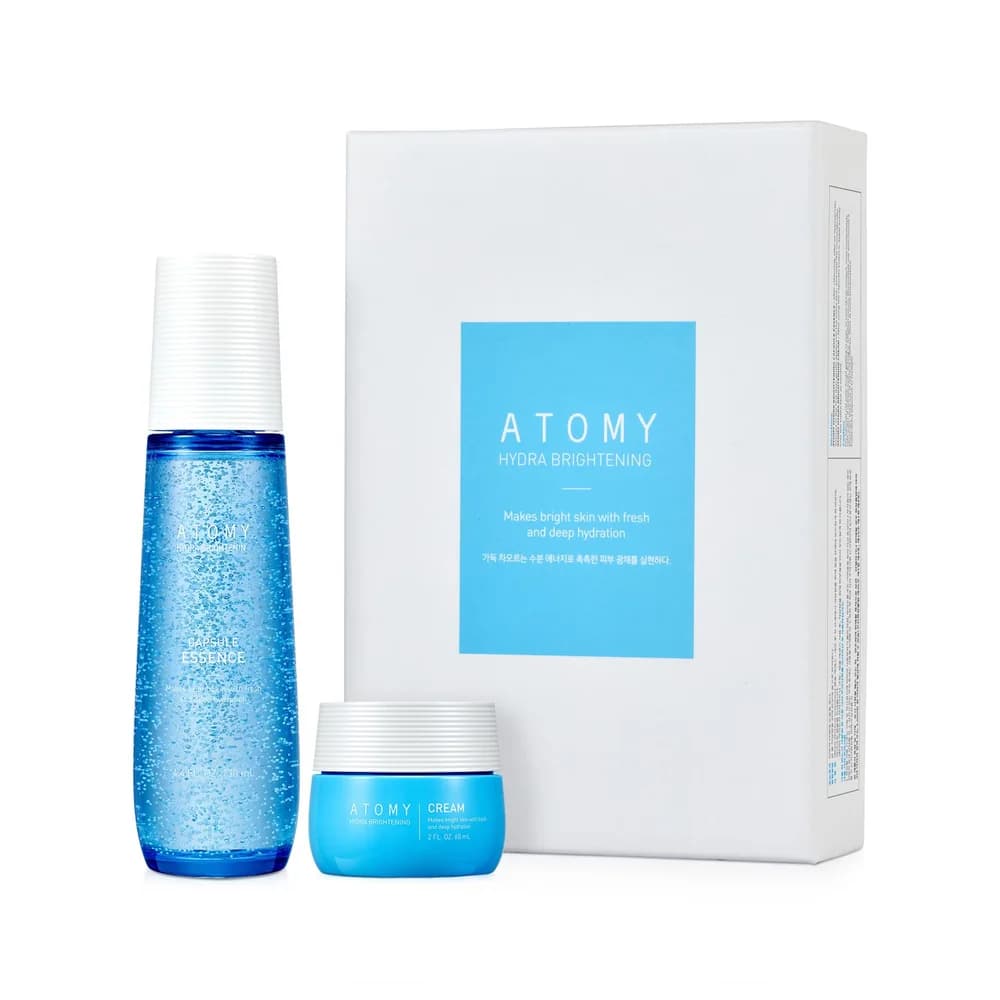
| Short hydrating routine | Atomy Hydra Brightening Care Set | Two steps: Capsule Essence (130 mL) and Cream (60 mL), built on sea buckthorn and birch sap |
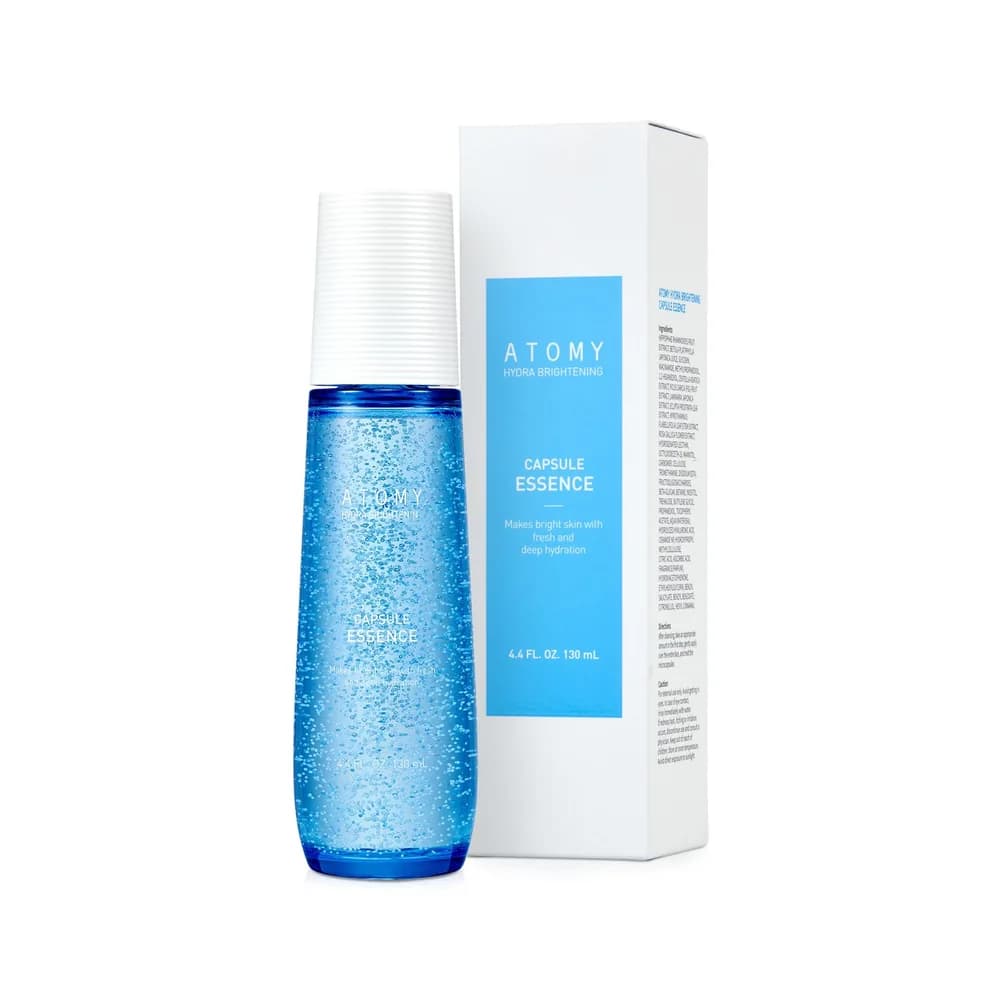
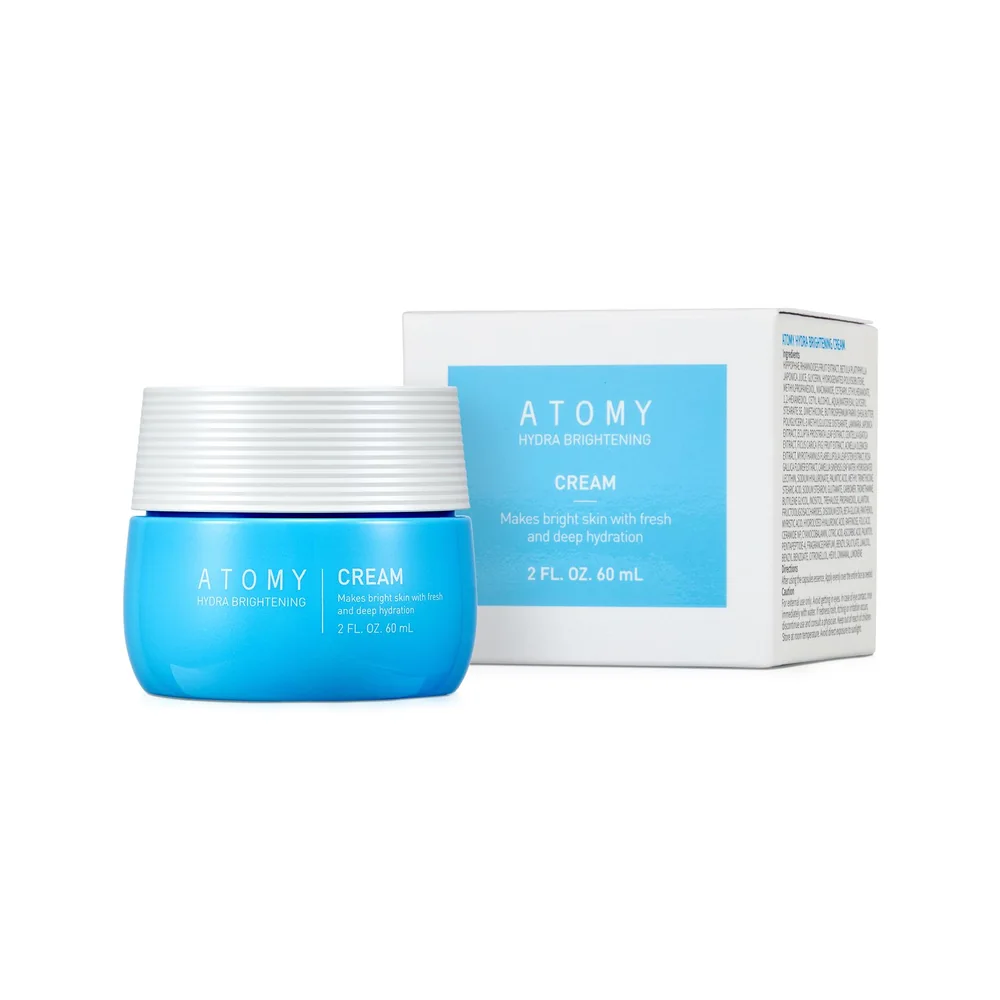
| Single steps from that line | Hydra Brightening Capsule Essence, Hydra Brightening Cream | The essence takes the place of toner and essence; the cream seals in moisture |
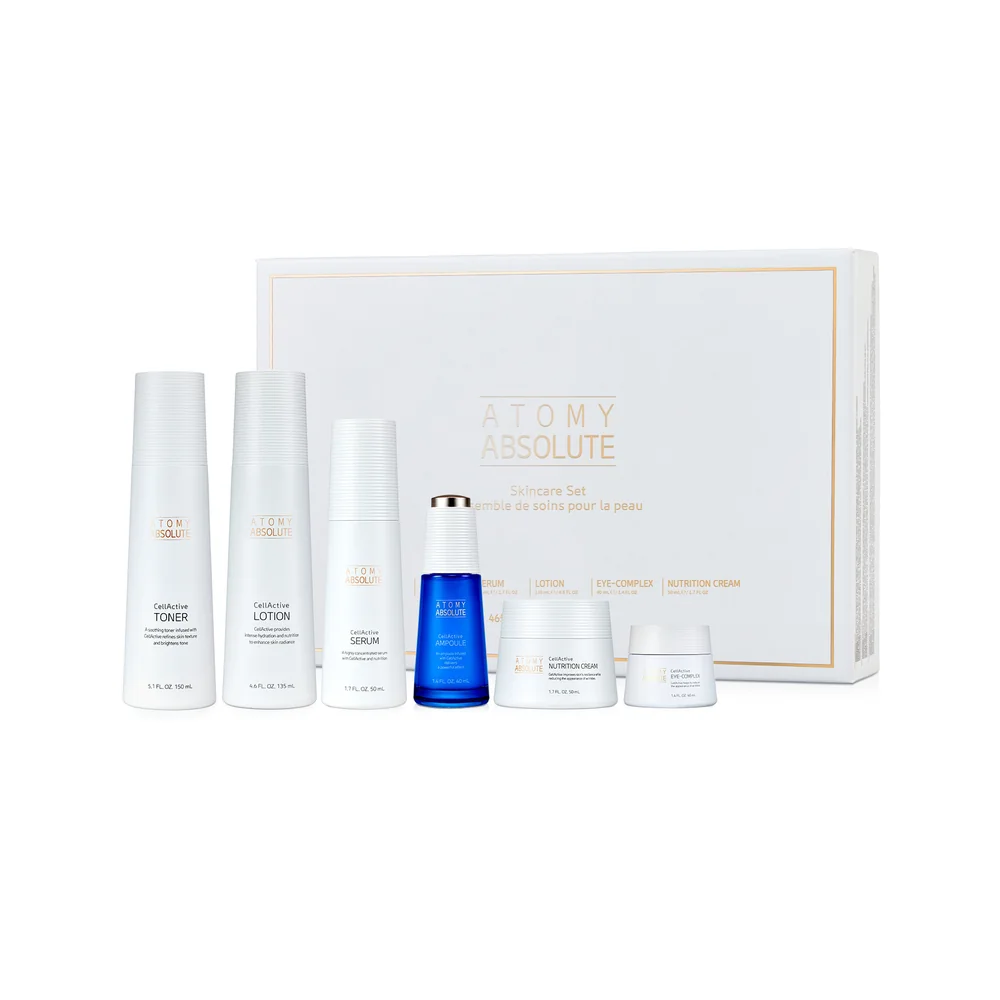
| Richer, anti-ageing routine | Atomy Absolute CellActive Skincare Set | Atomy's premium anti-ageing line (see our Atomy Absolute skincare review) |
| Five-step routine | Atomy Skin Care System THE FAME | Toner, essence, lotion, nutrition cream and eye cream, with panthenol, ceramide NP and several forms of hyaluronic acid |
| Sensitive skin | Atomy Derma Real Cica Set | Centella toner, ampoule and cream (see our sensitive skin routine) |
| Cleansing | Atomy Deep Pure Cleansing Oil + Atomy Evening Care Foam Cleanser | Oil and foam for double cleansing |
| Sun protection | Atomy Absolute Urban Shield Sun Cushion, Atomy Sun Stick | Mineral cushion with a light tone-up (SPF differs by country: SPF30 in the EU, SPF50+ in Korea) and an SPF 50+ stick for reapplying |
You do not need a whole set. One hydrating toner, one serum or essence, a moisturiser and a sunscreen are enough to start. Check full ingredient lists on the box or on Atomy's mall, and patch test anything new.
Common mistakes
- Over-exfoliating. Scrubs, peeling products and acids several times a week damage the barrier and make skin look less even.
- Too many actives at once. Strong vitamin C, retinoids and acids together often irritate. Introduce one at a time.
- Skipping the patch test. The American Academy of Dermatology suggests testing a new product on the inner arm twice daily for 7–10 days.
- Skipping sunscreen. It is the habit with the strongest evidence for preventing uneven tone and visible ageing.
- Expecting a filter result. Real skin has pores and texture. Aim for healthy and comfortable, not "poreless".
Adapting the routine to your skin
- Oily skin: fewer, lighter layers; a gel moisturiser; do not skip moisturiser altogether.
- Dry skin: extra toner layers, a richer cream, and a humidifier in dry seasons.
- Sensitive skin: fewer products, fragrance-free where possible, and one change at a time.
- Winter: see our winter skin barrier guide.
- Prefer fewer steps? See K-skinimalism.
Beyond products
Skin reflects general health. Not smoking, managing stress and sleeping enough are on the American Academy of Dermatology's list of skin care tips, alongside daily sunscreen. A balanced diet with enough fruit and vegetables supports overall health, but no supplement or food creates "glass skin" on its own.
Frequently asked questions
How long does it take to get glass skin? Hydration improves how skin looks within days. Changes in tone and texture take weeks to months, and results differ from person to person. A "poreless" look is not a realistic goal.
Can oily skin get glass skin? Yes, with lighter layers. Oily skin can still be dehydrated, and over-cleansing makes oiliness worse.
Which Atomy skin care line is best for glass skin? For most people the two-step Hydra Brightening line is the natural starting point. Absolute and THE FAME are richer and suit drier or more mature skin. Derma Real Cica is for sensitive skin.
How do I buy Atomy skin care? Atomy products are sold on Atomy's official mall to registered members. Registration is free and there is no obligation to buy; Atomy closes accounts with no purchase in 6 months or no new purchase in 12 months. See how Atomy membership works, or browse all Atomy products.
Medical note: This article is general cosmetic information, not medical advice. Skin care products change how skin looks and feels; they do not treat skin disease. See a board-certified dermatologist for persistent acne, redness, pigmentation or any changing spot.
AtomyHealth is run by an independent, registered Atomy distributor. If you register through our links, we may earn a commission. Prices are the same. General information, not medical advice.
Sources
- American Academy of Dermatology. 10 skin care secrets for healthier-looking skin. https://www.aad.org/public/everyday-care/skin-care-basics/care/skin-care-tips-dermatologists-use
- American Academy of Dermatology. Sunscreen FAQs (reapplication). https://www.aad.org/public/everyday-care/sun-protection/shade-clothing-sunscreen/sunscreen-faqs
- American Academy of Dermatology. How to select a sunscreen. https://www.aad.org/public/everyday-care/sun-protection/shade-clothing-sunscreen/how-to-select-sunscreen
- American Academy of Dermatology. How to test skin care products. https://www.aad.org/public/everyday-care/skin-care-secrets/prevent-skin-problems/test-skin-care-products
- Coderch L, López O, de la Maza A, Parra JL. Ceramides and skin function. Am J Clin Dermatol. 2003;4(2):107-129. https://pubmed.ncbi.nlm.nih.gov/12553851/