Madecassoside vs Centella: How They Differ on a Cica Label
Madecassoside is one compound taken from centella asiatica, while centella extract is the whole plant extract. What each one is, what the research actually covers, and which Atomy Derma Real Cica labels list each.
By AtomyHealth · Independent Guide · · 8 min read · Who we are
In this article
Madecassoside is one compound that comes from centella asiatica, the plant sold in skincare as "cica". Centella extract is the extract of the whole plant, and it already contains madecassoside alongside asiaticoside, asiatic acid, madecassic acid and many other substances. So a product with purified madecassoside is putting extra weight on one part of the plant, and there is no need to pick one over the other.
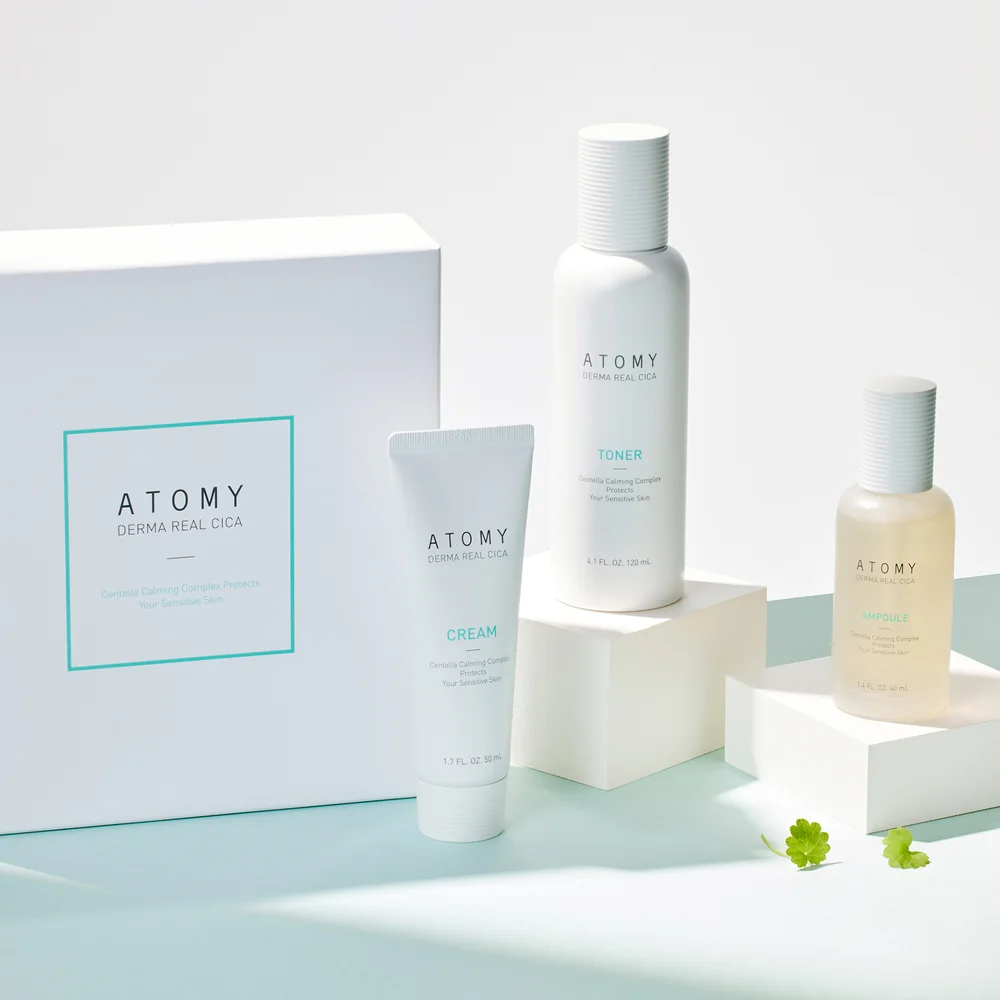
You can see the difference on Atomy's own labels. Every product in the Derma Real Cica line starts with Centella Asiatica Extract, but only the ampoule and the cream add Madecassoside as a separate ingredient.
Note: This article is general cosmetic information, not medical advice. If you have a skin condition, ask a doctor or pharmacist before trying new products.
What centella asiatica extract is
Centella asiatica, also called gotu kola or tiger grass, is a small herb that has been used in folk medicine in Asia for centuries. A 2013 review by Bylka and colleagues in Postępy Dermatologii i Alergologii names its main compounds as pentacyclic triterpenes: asiaticoside, madecassoside, asiatic acid and madecassic acid. A 2023 review by Bandopadhyay and colleagues adds that asiaticoside and madecassoside are the marker compounds for the plant in the Chinese Pharmacopoeia, which means they are what is measured to check the identity and quality of an extract.
An extract holds more than those four. Ratz-Łyko and colleagues describe centella extract as a source of triterpenoid saponins, flavonoids, phenolic acids, amino acids and sugars. How much madecassoside a given extract contains depends on the plant, the part used and the extraction method, and an ingredient list does not tell you.
Their 2016 study is one of the few on centella in ordinary cosmetic formulas. Twenty-five volunteers put a cream and a gel with 2.5% or 5% centella extract on their forearms twice a day for four weeks. The 5% formulas worked best: the skin surface held more water and less water evaporated through the skin (transepidermal water loss). They also reduced redness in a test where a chemical is applied to cause mild redness on purpose. It is a small study on forearms, but it measured what a cosmetic is supposed to do. More on our centella asiatica ingredient page.
What madecassoside is
Madecassoside is a triterpene glycoside, meaning a triterpene with sugar units attached. Madecassic acid is the same core molecule without the sugars. When a brand adds madecassoside as its own ingredient, it uses the purified compound and knows how much goes in, even if the label does not say.
Most research on madecassoside by itself has been done on skin cells in the lab. In a 2025 study, Tai and colleagues exposed keratinocytes and immune cells to PM2.5 pollution particles and found that madecassoside lowered several markers of cell damage and inflammation. Results like these do not show what a cream does on a real face. A separate 2025 cell study in Tissue Barriers opens by saying madecassoside has long been used in skincare "with doubtful effects", which is why its authors tested it.
The human trial people cite most is by Haftek and colleagues (2008). Twenty women with sun-aged skin used a product with 5% vitamin C and 0.1% madecassoside for six months, and the researchers reported better clinical scores for wrinkles, firmness, roughness and hydration. The formula had both ingredients, so the study cannot say how much of the change came from madecassoside. Our madecassoside ingredient page has the short version.
How they differ
| Centella asiatica extract | Madecassoside | |
|---|---|---|
| What it is | Extract of the whole plant or leaf | One purified compound from the plant |
| What is in it | Triterpenes plus flavonoids, phenolic acids, amino acids and sugars | One molecule |
| Name on the label | Centella Asiatica Extract, Centella Asiatica Leaf Extract | Madecassoside |
| Human studies in cosmetics | Small ones, such as 25 volunteers for four weeks | Mostly lab work; the best-known trial paired it with vitamin C |
| Dose | Varies with the extract | Fixed by the maker |
In practice, the extract gives you a mix of compounds in unknown proportions, and madecassoside gives you one compound in a set amount. Neither has been shown to be stronger. We did not find any study that compares a madecassoside cream with a centella extract cream directly.
Can you use them together?
Yes, and most cica products already do. Both come from the same plant, so there is no chemical reason to keep them apart. The Derma Real Cica Cream shows this on its label: Centella Asiatica Extract is the first ingredient, Madecassoside is in the middle, and Asiaticoside, Asiatic Acid and Madecassic Acid are near the end. That one product contains all four of the triterpenes Bylka's review names.
If your skin tends to react, look at the rest of the formula. The Derma Real Cica products also list extracts of lavender, rosemary, basil, fennel and Roman chamomile, so patch test first if plant extracts bother you.
Where they appear in Atomy's range
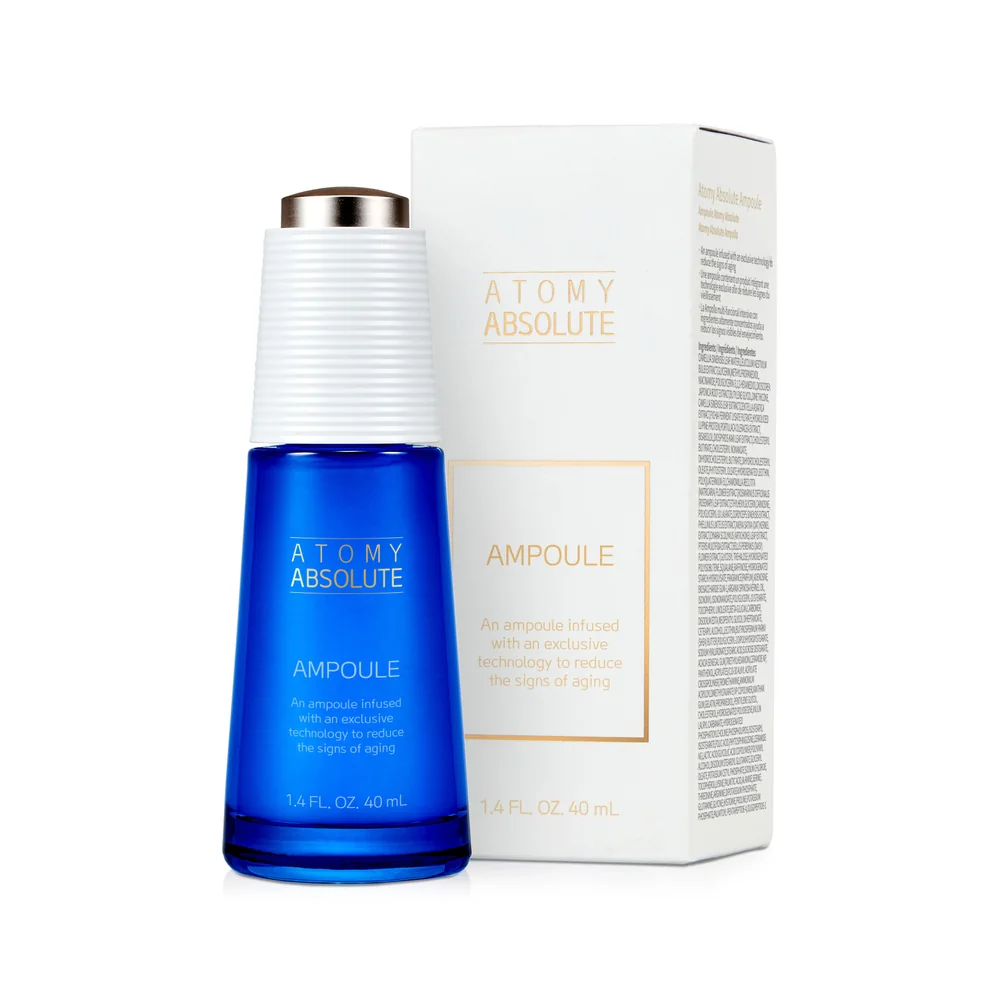
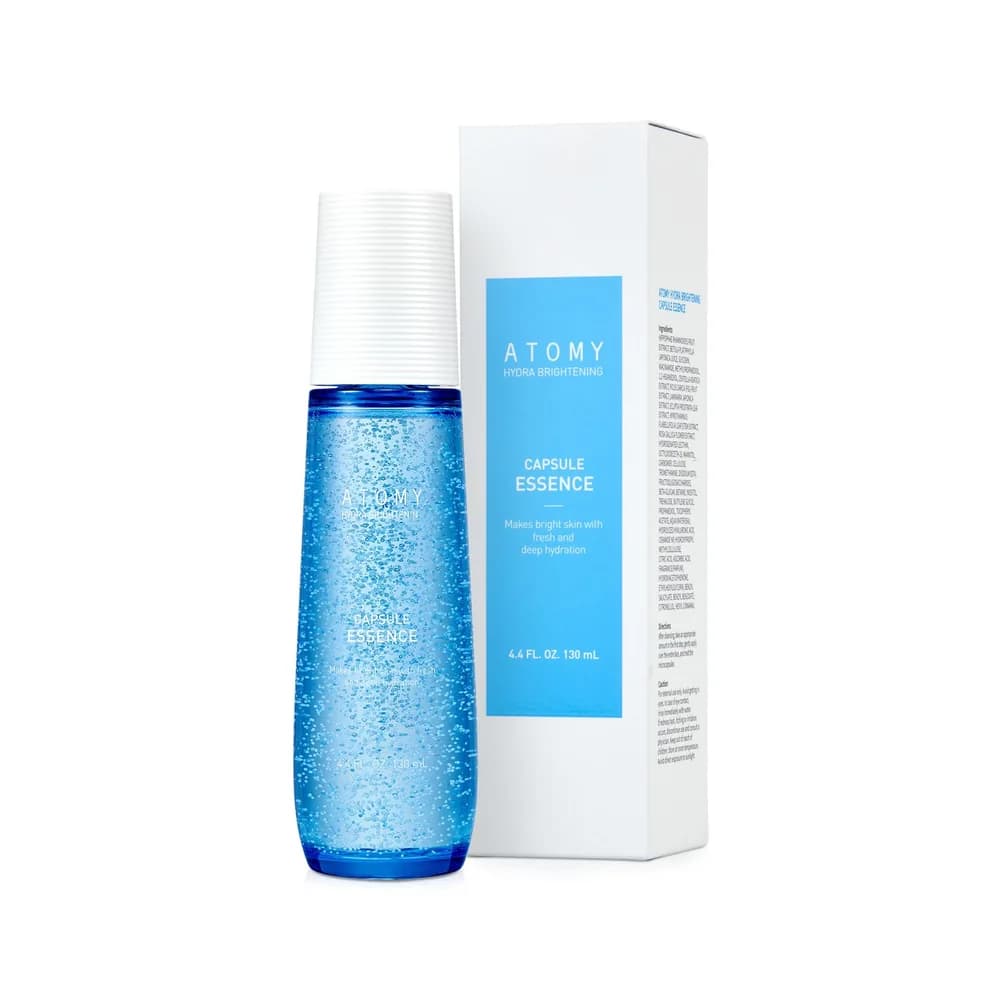
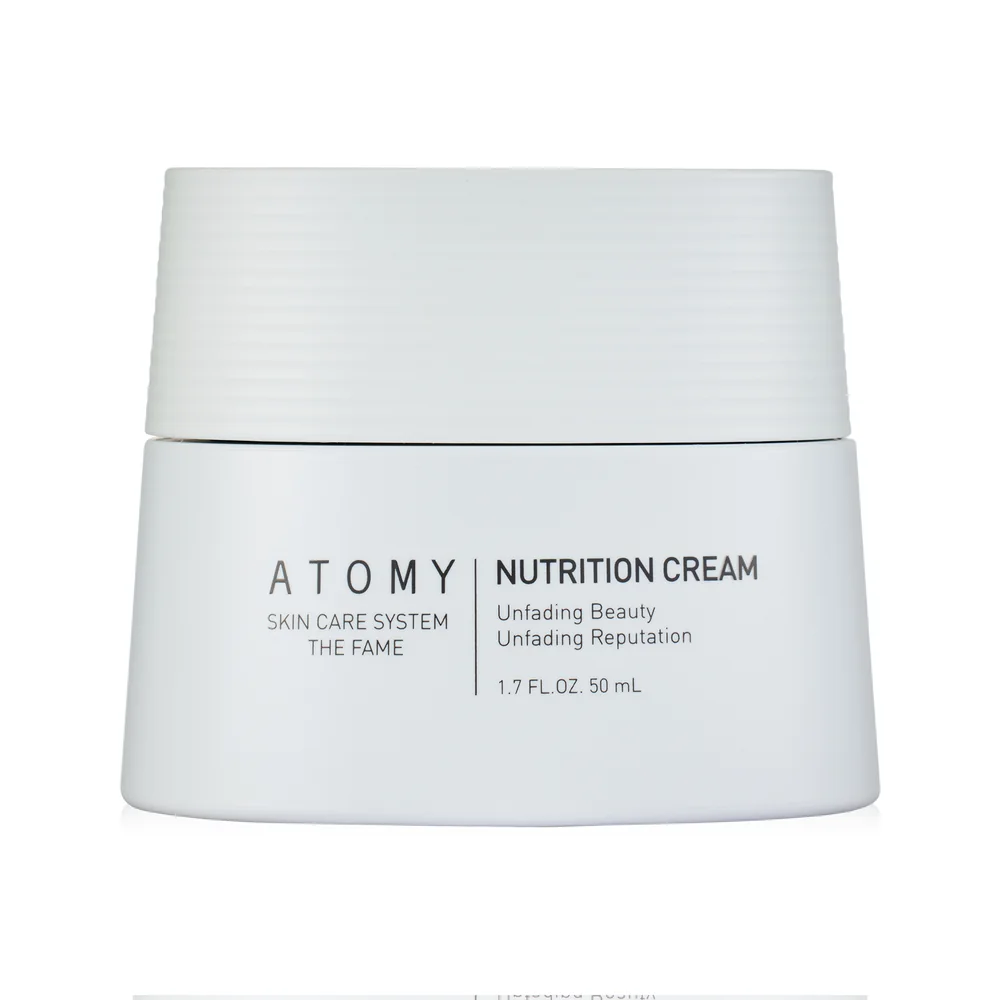
We checked Atomy's official labels (November 2026). Centella Asiatica Extract appears on about 30 Atomy products, sets included. Besides the cica line, it is in the Absolute CellActive Ampoule, the Hydra Brightening Capsule Essence, THE FAME Nutrition Cream and even two Adelica mascaras. In many of these it sits far down the list. On the EU label of the Absolute ampoule, for example, it is in the part of the list that runs alphabetically, and EU rules let a brand list ingredients present at 1% or less in any order.
Madecassoside is listed separately on only two products:
- the Derma Real Cica Ampoule (40 mL), where Centella Asiatica Extract comes first, Madecassoside follows in the middle and Centella Asiatica Leaf Extract appears again near the end;
- the Derma Real Cica Cream (50 mL), with Madecassoside, Ceramide NP and the three other triterpenes.
The Derma Real Cica Toner and the Derma Real Cica Gel Cleanser use centella extract without added madecassoside.
When Atomy's malls were checked on 5 November 2026, the toner, ampoule and cream were listed on their own in Korea, the US, Japan, Singapore, Malaysia and several other countries. On the EU and UK malls they are sold only inside the Derma Real Cica Set.
Frequently asked questions
Is madecassoside the same as cica? No. "Cica" is a nickname for centella asiatica. Madecassoside is one of the compounds in that plant, so centella extracts normally contain some, and a product can also add purified madecassoside on top.
Is madecassoside better than centella extract? We found no study that tests one against the other. The extract gives a broad mix of plant compounds. Madecassoside gives a known amount of one compound. Many cica products, including Atomy's ampoule and cream, use both.
Can a cica product treat acne, eczema or scars? No cosmetic can treat a skin disease, and Atomy does not claim that. A lot of published centella research looks at medical uses, often in cells or animals, and none of that carries over to a cosmetic cream. If you have a skin condition, see a doctor.
Which Atomy product has the most madecassoside? The labels do not give amounts. Madecassoside appears in the middle of the list in both the Derma Real Cica Ampoule and Cream, and those are the only two single products that list it.
Medical note: Cosmetics do not diagnose, treat or prevent any disease. If you have a skin condition or a known allergy to plant extracts, speak to a doctor or pharmacist before use.
AtomyHealth is run by an independent, registered Atomy distributor. This site does not sell anything; Atomy products are bought on Atomy's official malls. General information, not medical advice.
Sources
- Atomy official product labels and mall listings for the Derma Real Cica Set, Toner, Ampoule, Cream and Gel Cleanser, checked November 2026.
- Bylka W, Znajdek-Awiżeń P, Studzińska-Sroka E, Brzezińska M. Centella asiatica in cosmetology. Postępy Dermatologii i Alergologii. 2013;30(1):46-49. https://doi.org/10.5114/pdia.2013.33378
- Bandopadhyay S, Mandal S, Ghorai M, et al. Therapeutic properties and pharmacological activities of asiaticoside and madecassoside: a review. Journal of Cellular and Molecular Medicine. 2023;27(5):593-608. https://doi.org/10.1111/jcmm.17635
- Ratz-Łyko A, Arct J, Pytkowska K. Moisturizing and antiinflammatory properties of cosmetic formulations containing Centella asiatica extract. Indian Journal of Pharmaceutical Sciences. 2016;78(1):27-33. https://doi.org/10.4103/0250-474x.180247
- Haftek M, Mac-Mary S, Le Bitoux MA, et al. Clinical, biometric and structural evaluation of the long-term effects of a topical treatment with ascorbic acid and madecassoside in photoaged human skin. Experimental Dermatology. 2008;17(11):946-952. https://doi.org/10.1111/j.1600-0625.2008.00732.x
- Tai M, He Q, Lv P, et al. Madecassoside alleviates PM2.5-induced skin cell damage. Biochemical and Biophysical Research Communications. 2025;770:151977. https://doi.org/10.1016/j.bbrc.2025.151977
- Sucharitakul T, Chatkul P, Satianrapapong W, et al. Centella asiatica phytochemical madecassoside enhances skin wound healing and protects against UVB-induced keratinocyte damage. Tissue Barriers. 2026;14(1):2532229. https://doi.org/10.1080/21688370.2025.2532229
- Regulation (EC) No 1223/2009 on cosmetic products, Article 19 (labelling; ingredients under 1% may be listed in any order). https://eur-lex.europa.eu/eli/reg/2009/1223/oj